
 By
By 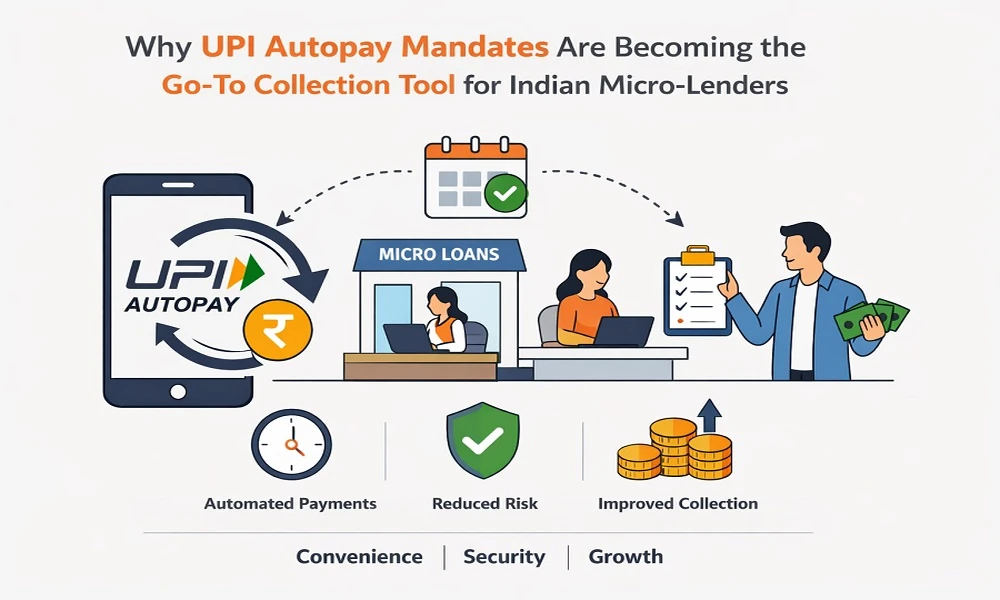
Digital payments have revolutionized payments in India and micro-lending is no exception to this. Previously, small ticket loans were collected through cash visits or manual reminders, but this is no longer the case, as more and more of these are now handled by automated systems. One of these is upi autopay, which is a very dependable mode of repayment for lenders who require small amounts to be repaid regularly and don’t want to waste time on manually processing them. The more loaned books that are checked out and the more borrowers in these small towns, the more compelling the argument has become for automated, low-friction tools to collect books.
The Collection Challenge Micro-Lenders Face
Micro lending is dependent on volume. You could have thousands of borrowers with their lenders and they all pay small amounts weekly or monthly. Keeping track of these repayments manually isn’t efficient or scalable. Part of life is missed deadlines, and though this may not always be due to borrowers refusing to pay, it can be because reminders might not have been sent, payment methods may be cumbersome, or staff might not have enough bandwidth. There are also hidden costs associated with manual collection, such as field visits, phone follow-ups, and reconcilizations that negatively affect already squeezed margins. In the case of micro-lenders, with small unit profits, a modest increase in repayment efficiency can have a significant impact on profitability.
What UPI Autopay Mandates Actually Do
The borrower uses UPI Autopay to provide an authorization to the lender (or the lender’s payment partner) to debit their bank account at an agreed upon time. It starts with the customer creating a upi autopay mandate in their banking app by setting the amount and how often payments are to be made. After the authorization, the system is able to deduct money from the account without the borrower having to start the money-deduction system. This depends on India’s overall digital payment ecosystem, which has evolved to the point where it can reliably and on a large scale handle standing instructions.
Why Lenders Are Increasingly Choosing It
Several factors explain why upi autopay has become the preferred mechanism for repayment collection among micro-lenders. Payments are processed quickly, often within the same day, which reduces the lag between due date and actual collection. Manual follow-up calls and reminders, while still useful for exceptions, are no longer the primary mode of recovery. Lenders also gain better visibility into repayment patterns, since every transaction is logged and timestamped automatically, making it easier to flag risk early. For borrowers, the convenience factor matters too. There is no need to remember due dates or visit a branch, and payments happen quietly in the background. This combination of speed, transparency, and ease has made upi autopay a natural fit for lenders trying to scale operations without proportionally scaling their collections teams.
Benefits That Extend to Both Sides
The advantages are not limited to lenders alone. Borrowers benefit from more predictable repayment cycles, since automated debits reduce the chances of accidental late payments and the penalties that come with them. Payment friction drops considerably, because there is no separate app or manual step required once a mandate is set up. For lenders, this translates into better cash flow forecasting and a clearer picture of portfolio health. The overall borrowing experience also improves, since automated repayment feels less intrusive than repeated calls or reminders, and borrowers tend to view it as a more professional, trustworthy way of managing their loan.
Conclusion
Upi autopay is at the heart of the changing dynamics of micro-lending in India, and these changes are happening behind the scenes. Lenders can efficiently manage and maintain repayment discipline while doing more for their borrowers by replacing the manual, resource-intensive collection process with automated and transparent requirements. Such innovations are expected to become mainstream in the Indian lending landscape, and not be exclusive features of large and well-established lenders as UPI continues to grow and more borrowers get accustomed to making payments on a recurring basis.













Comments