Tag: NFTs

  • The Unexplored World of NFTs and Augmented Reality

    The Unexplored World of NFTs and Augmented Reality

    Non-fungible tokens (NFTs) have taken the world by storm, providing unique digital ownership in the form of artwork, music, and other digital assets. Augmented reality (AR), on the other hand, has been around for a while but hasn’t yet reached its full potential. However, the combination of NFTs and AR could lead to a whole new world of possibilities.

    What are NFTs?

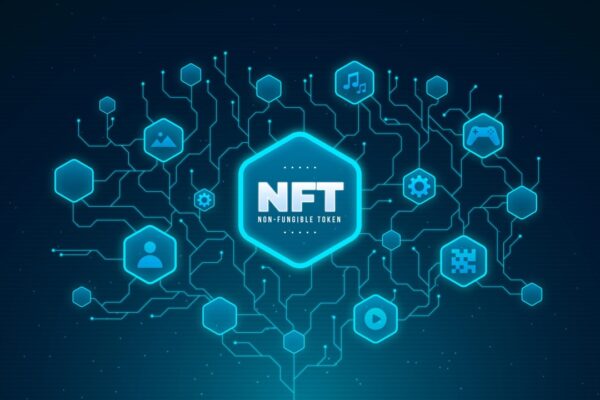
    NFTs are unique digital assets that are stored on a blockchain. They provide proof of ownership and are often used for artwork, music, and other creative works. NFTs can be bought, sold, and traded like any other asset, but their uniqueness makes them valuable to collectors.

    What is Augmented Reality?

    Augmented reality is the blending of the physical and digital worlds. It involves overlaying digital information onto the physical world, often through the use of a smartphone or other device. Augmented reality can be used for a variety of purposes, including gaming, education, and marketing.

    The Possibilities of NFTs and AR

    The combination of NFTs and AR could lead to a whole new world of possibilities. For example, imagine being able to view a piece of artwork in augmented reality and then purchasing the NFT for that artwork. The NFT would provide proof of ownership and allow the owner to display the artwork in their virtual gallery.

    Another possibility is using NFTs to unlock exclusive augmented reality experiences. For example, a musician could release an NFT that provides access to an exclusive augmented reality concert.

    Challenges and Opportunities

    While the combination of NFTs and AR is exciting, there are also challenges to overcome. One challenge is the technical complexity of creating AR experiences that can be accessed through NFTs. Another challenge is ensuring the security of NFTs and preventing fraud.

    However, there are also opportunities to be had. The combination of NFTs and AR could lead to new business models for artists and musicians. It could also lead to new forms of marketing and advertising.

    The unexplored world of NFTs and augmented reality is full of possibilities. The combination of these two technologies could lead to new forms of art, music, and entertainment. While there are challenges to overcome, the opportunities are vast. It will be exciting to see how these technologies evolve and what new forms of creativity they will inspire.
  • Unlocking the Future of Identity Verification with NFTs

    Unlocking the Future of Identity Verification with NFTs

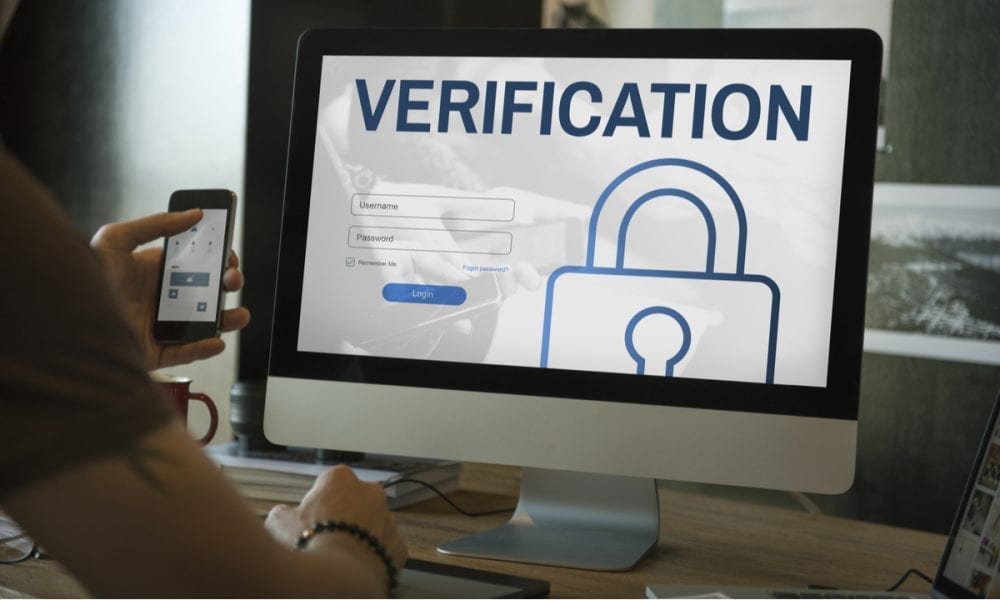
    In today’s digital age, identity verification has become a crucial aspect of our lives. We need to verify our identity for various purposes, such as opening a bank account, applying for a loan, or accessing online services. However, traditional methods of identity verification are often cumbersome, time-consuming, and prone to fraud. This is where NFTs (Non-Fungible Tokens) come in.

    What are NFTs?

    NFTs are digital assets that represent ownership of unique items or pieces of content, such as artwork, music, or videos. Each NFT is unique and cannot be replicated, making it a valuable asset in the digital world. NFTs are stored on a blockchain, which is a decentralized ledger that records transactions securely and transparently.

    How can NFTs be used for identity verification?

    NFTs can be used to verify a person’s identity in a secure and efficient way. Here’s how it works:

    • A person creates an NFT that represents their identity, including personal information such as name, address, and photo.
    • The NFT is stored on a blockchain, which ensures that it cannot be tampered with or duplicated.
    • The person can use the NFT to verify their identity for various purposes, such as applying for a loan or accessing online services.
    • The NFT can be easily shared with third parties, such as banks or government agencies, to verify the person’s identity.

    Using NFTs for identity verification has several benefits:

    • It is secure: NFTs are stored on a blockchain, which is a decentralized ledger that records transactions securely and transparently. This ensures that the NFT cannot be tampered with or duplicated.
    • It is efficient: NFTs can be easily shared with third parties, which saves time and reduces the risk of fraud.
    • It is user-friendly: Creating and using an NFT is easy and user-friendly, making it accessible to a wide range of people.

    NFTs have the potential to revolutionize the way we verify our identity in the digital world. By using NFTs, we can ensure that our identity is secure, efficient, and user-friendly. As NFTs continue to gain popularity, we can expect to see more applications of this technology in various industries, including finance, healthcare, and government.